
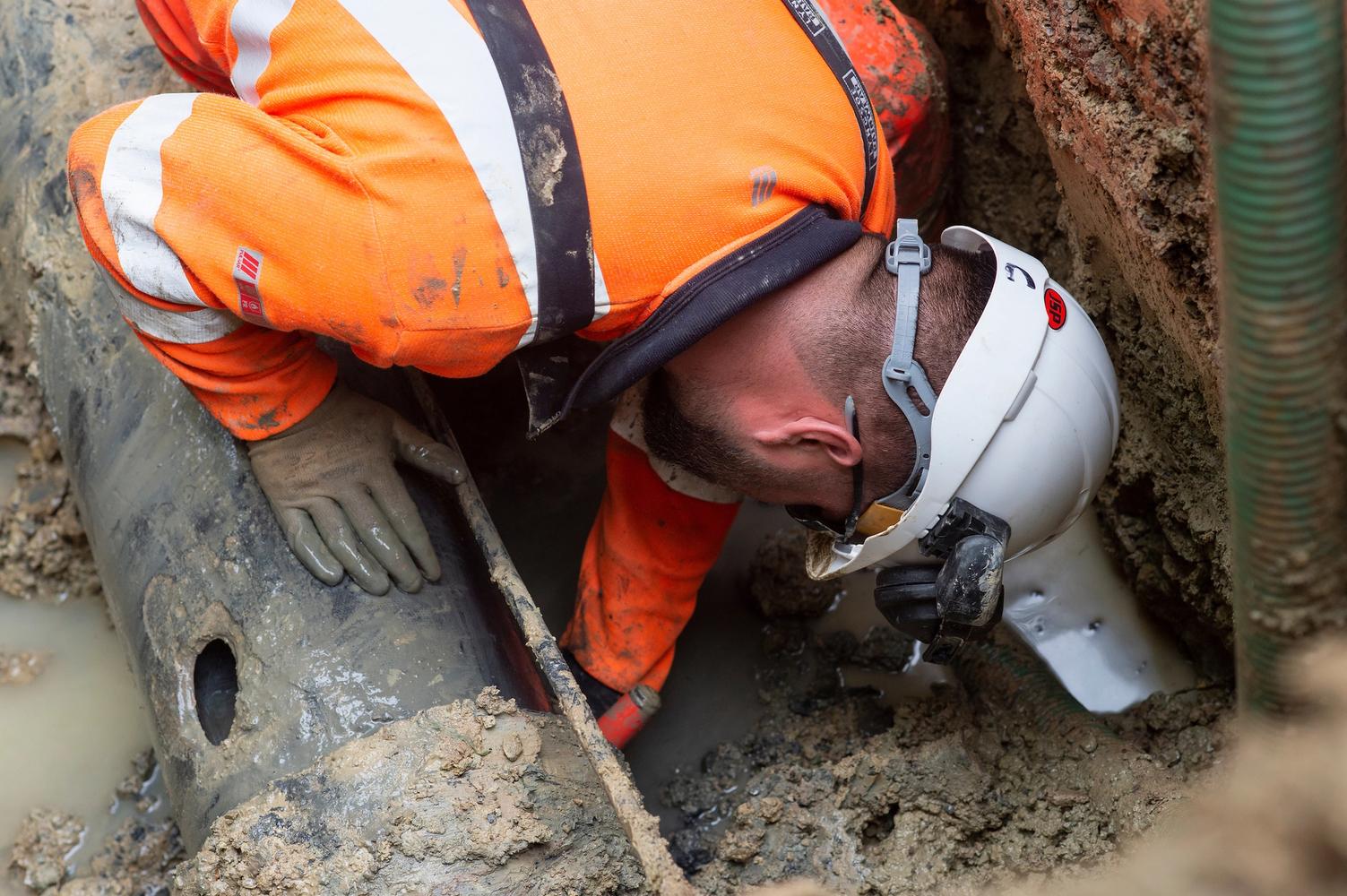
Water is a vital part of our day-to-day life. As your water company, we have a responsibility to protect the water supply for now and future generations.
Part of that involves using innovative technology to find and fix leaks across our network of 9,000 miles of pipes. We use a range of tools and technologies to identify leaks as quickly as possible and help reduce the amount of water lost from our network.
What is leakage?
Leakage is the amount of water lost from pipes across the water network. We supply on average 543 million litres every day to 2.3 million customers through 9,000 miles of pipes.
There are many factors that affect leakage, but the three main ones are:
- Natural wear and tear on our network
There are over six million joints which have to withstand high pressure 24 hours a day, seven days a week. Inevitably sometimes these pipes and joints fail unexpectedly, but we work around the clock to repair them as quickly as possible. - The seasons
In typical weather conditions, the colder winter months increase leakage due to pipes shrinking, causing the joints between them to open up. Equally, warmer temperatures can undo this effect to reduce leakage. This is expected to even out during the year but leads to peaks and troughs in leakage levels. - Extreme weather events
These can impact leakage over and above the typical seasonal rise and fall. A freeze followed by a rapid thaw can over-stress pipes, causing them to burst. Similarly, prolonged hot dry periods can shrink the earth that supports pipes, causing them to move and break.
Our performance
Tackling leaks is a long-term challenge and one that the industry has been making good progress on.
We continue to make strong progress in reducing leakage across our network. In the last year alone, we found and repaired more than 21,000 leaks on our network and a further 6,000 customer-side leaks. This is around a 10 per cent increase on the previous year.
We invest around £63 million each year in finding and fixing leaks and assets across our network. We’ve also boosted leakage reduction efforts, increasing our dedicated team by over 11 per cent in the last year. We remain committed to halving leakage by 2050 to 48.14 million litres a day.
This investment will go towards innovative technology to help us identify even the smallest of leaks. We’ll also aim to minimise leaks on our network by working to stabilise water pressures in our pipes.
Innovative ideas to tackle leaks
As well as investing and finding leaks across our network, we are continually exploring new technologies to help us identify potential issues more quickly and improve how we monitor our network.
From advanced monitoring and detection tools, to Smart Networks and satellite technology, these innovations help us better understand how water moves around our network, target investigations more effectively and reduce the amount of water lost through leakage.
Advanced monitoring and detection technology
We are continually exploring new ways to identify leaks and improve how we monitor our network.
Alongside traditional leak detection methods, we use a range of advanced monitoring technologies to help us identify potential issues more quickly and target investigations more effectively. These include fibre sensing technology, moisture mapping and predictive modelling tools, which help us build a more complete picture of what is happening across our network.
By combining information from multiple sources, we can identify unusual patterns, prioritise areas for investigation and make more informed decisions about repairs and maintenance.
Smart networks

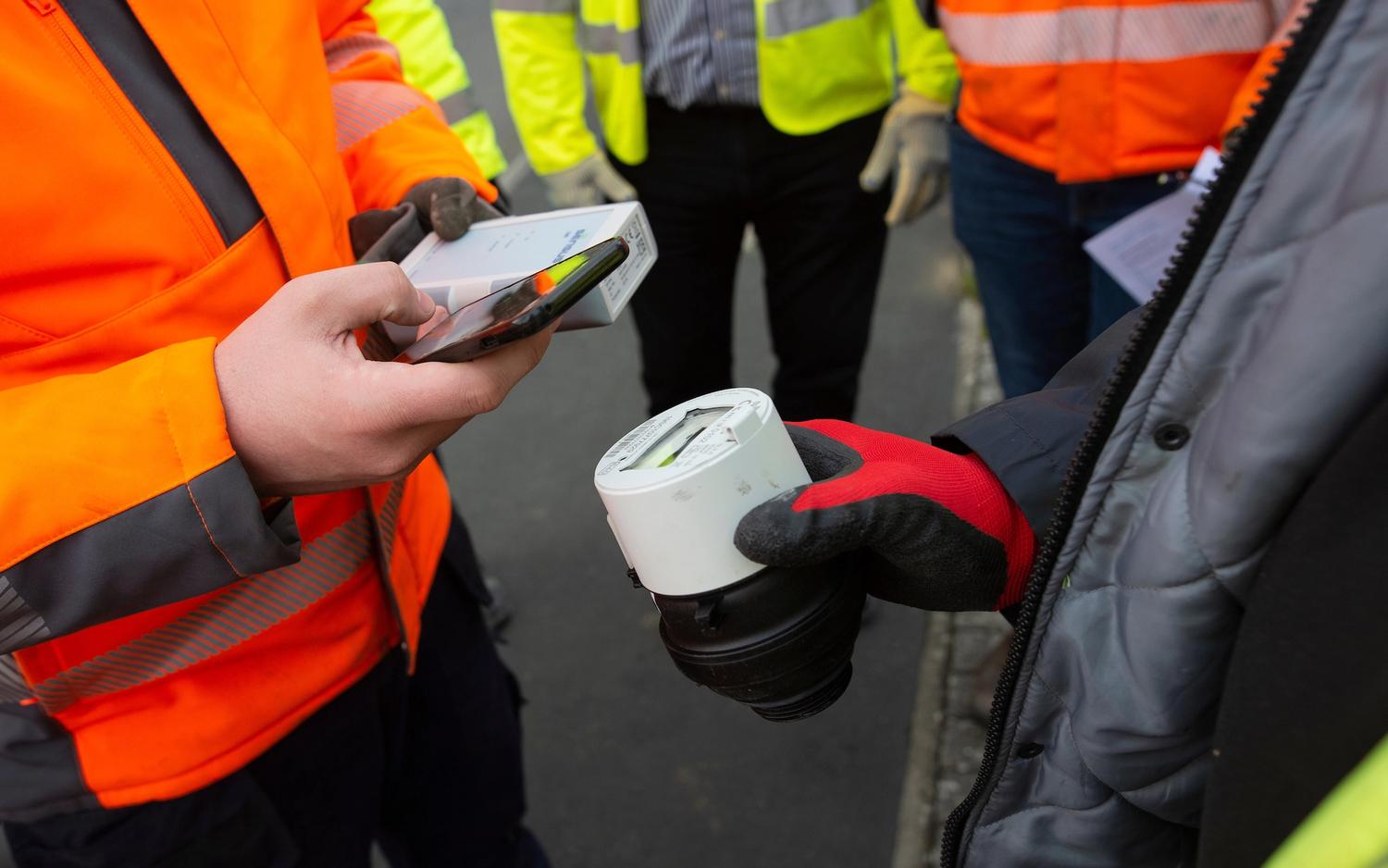
Smart networks uses digital technology and connected devices to help us visualise, analyse, monitor and improve the performance of our water network in near-real time.
By using data from smart water meters and network sensors, we can identify unusual patterns of water use and better understand how water moves around our network.
This technology supports our efforts to reduce leakage, improve network resilience and provide a more reliable water supply for our customers.
Satellite technology

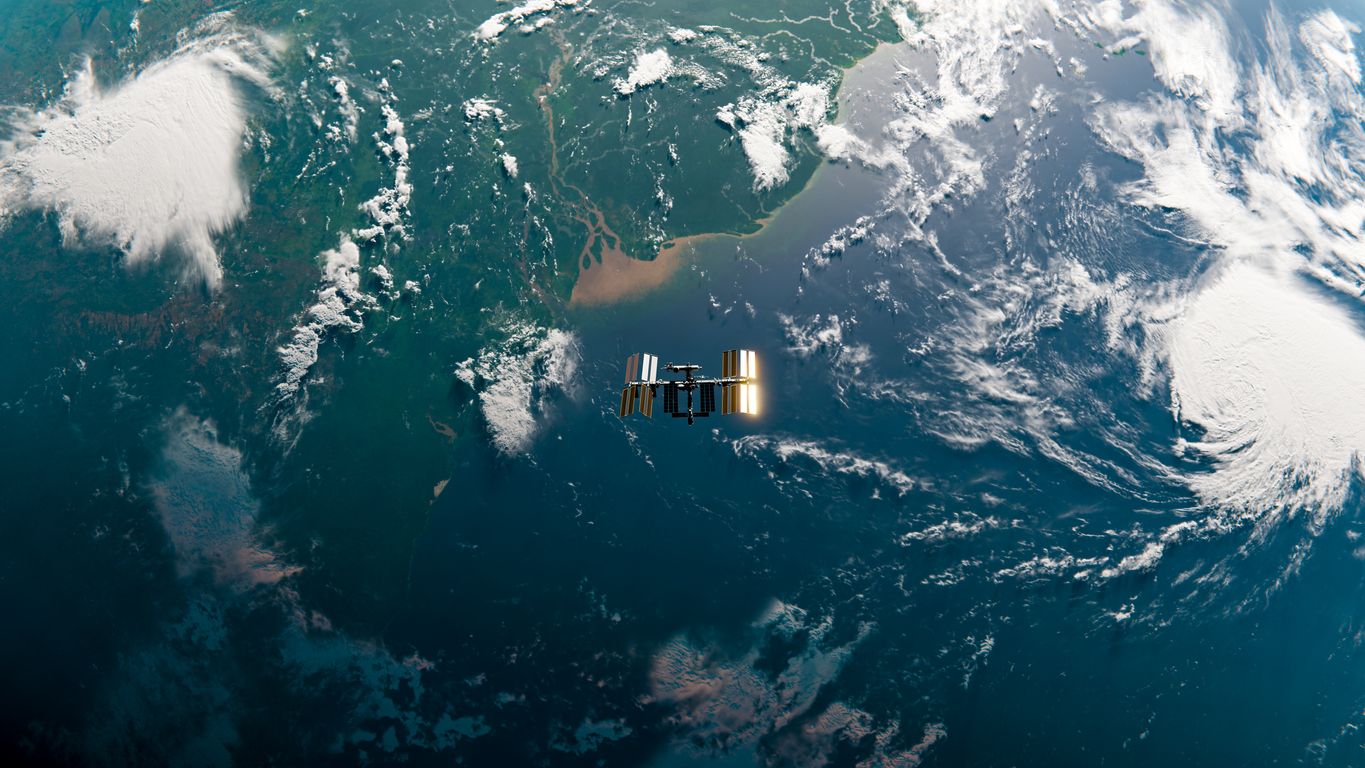
Satellite technology forms part of our toolkit for identifying leaks across our network.
Using advanced radar imaging, we can detect potential leaks underground and target investigations more effectively. This helps us identify leaks that may otherwise go undetected and prioritise repairs where they are needed most.
By narrowing down potential leak locations before teams visit site, satellite technology can help speed up investigations and support our ongoing efforts to reduce leakage.
Acoustic loggers
Acoustic loggers are small devices attached to our water network that listen for the sound of water escaping from pipes.
By continuously monitoring sections of our network, they help our leakage teams identify leaks that many not be visible above ground. This allows us to target investigations more effectively and find leaks more quickly, reducing the amount of water lost from our network.
Innovate with us
We’re working on a focused innovation strategy which targets our customers’ and stakeholders’ priorities, and will enable us to lead the industry.
As we enter our next five year business plan, we’re keen to keep on innovating and increasing customer satisfaction. If you have an innovative product or service that could help us achieve our goals, we would be delighted to hear from you.


Report a leak

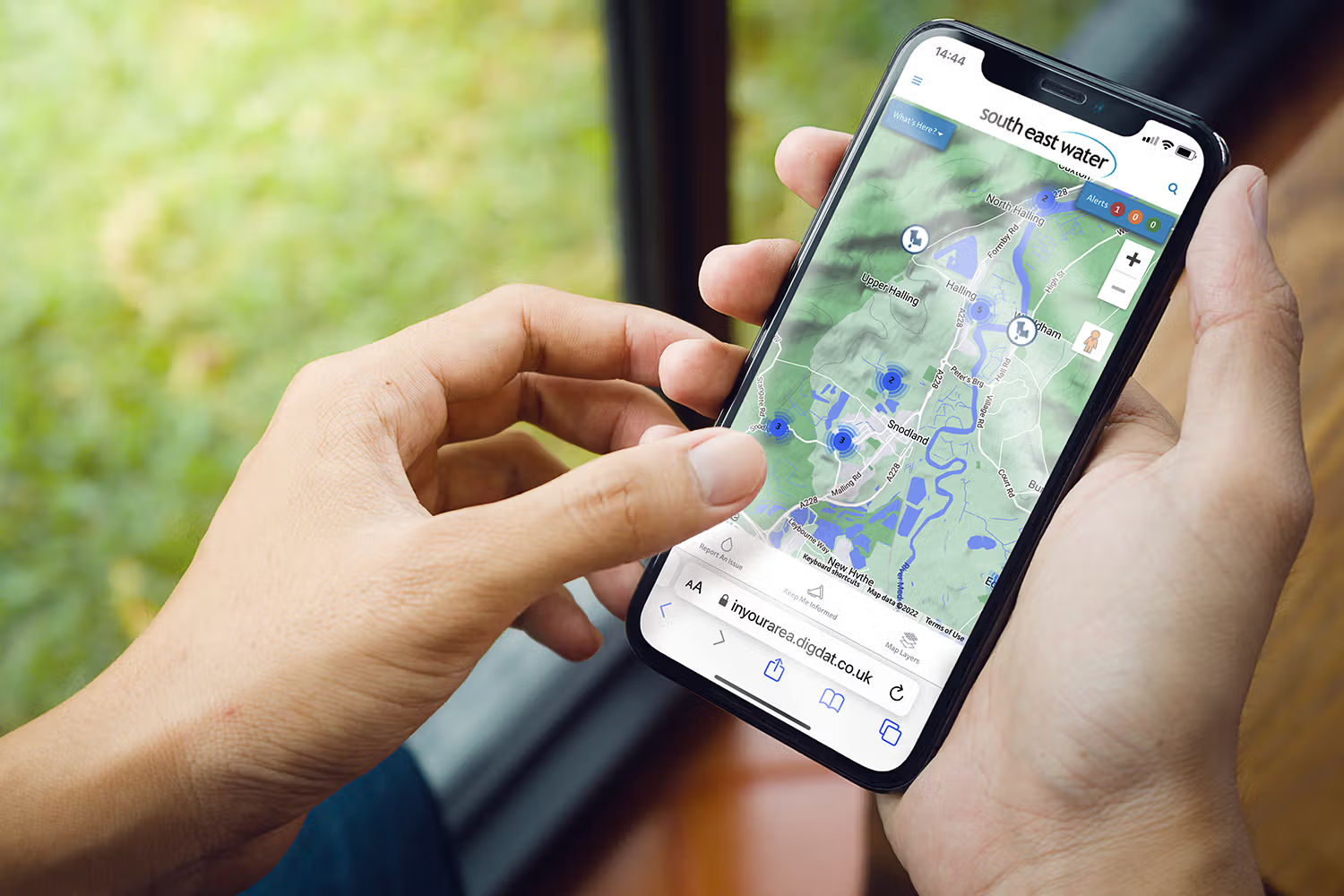
Spotted a leak while out and about? Whether it's big or small, we want to know about them all. Reporting issues in your area is easy with our live, interactive map.
Just enter your postcode or street name and mark the leak on the map.
Engineering schemes

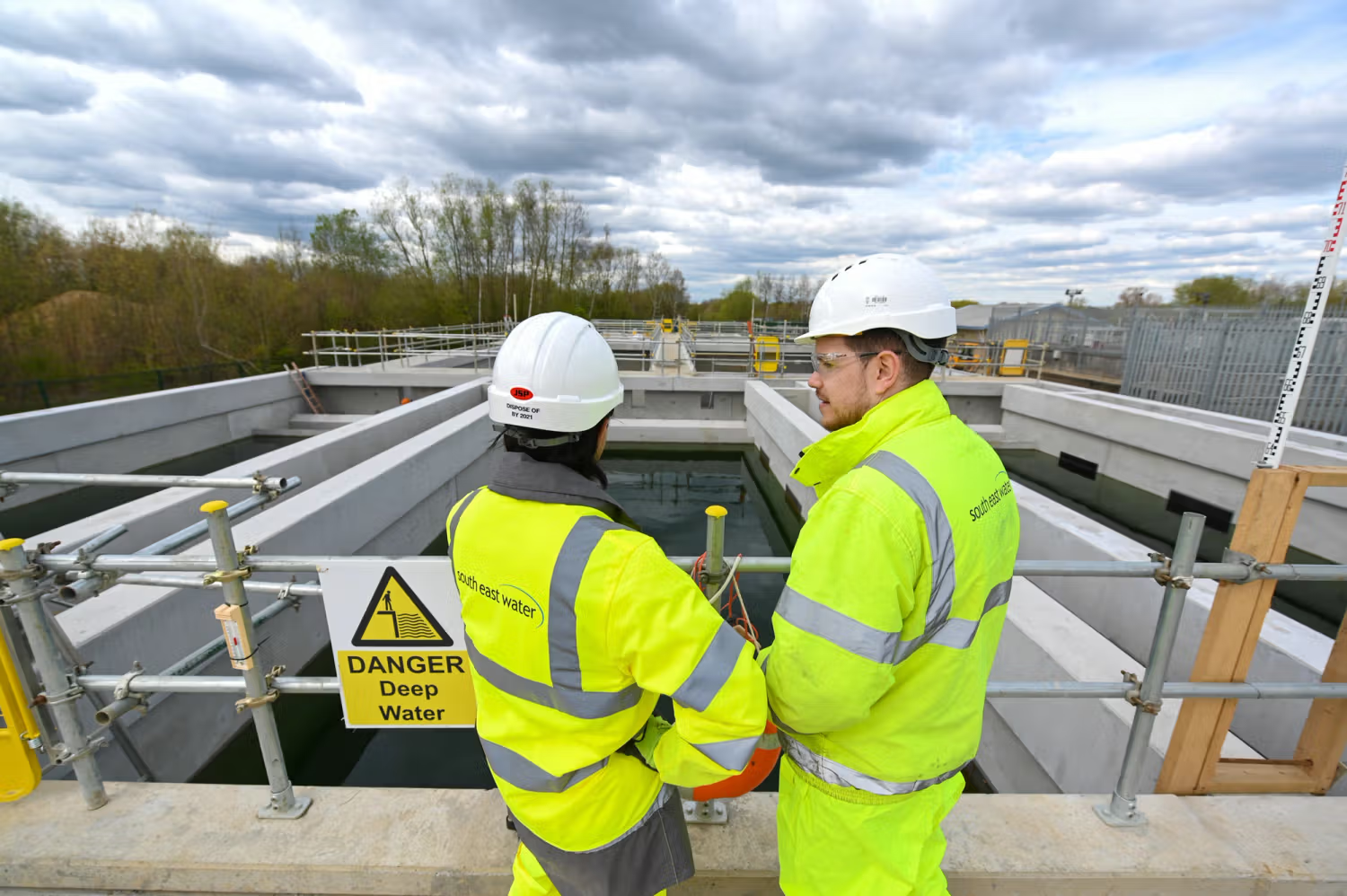
Ensuring clean, fresh tap water continues to flow to our customers’ taps 24 hours a day, seven days a week is one of our top priorities. That’s why we're constantly working to upgrade old water mains, install new pipelines, improve our water treatment works and maintain our reservoirs.