Did you know that many familiar plant and animal species in the UK, like the magnificent horse chestnut tree or the energetic grey Squirrel, are not native? While most non-native species live happily alongside us, some become invasive non-native species (INNS). These species are a problem as they can cause significant environmental and/or economic damage, threatening the delicate balance of our natural world.
How invasive non-native species can affect us

At South East Water, we don't just supply water to 2.3 million customers, we are also the proud custodians of vital habitats, including 33 Sites of Special Scientific Interest (SSSI's) and various nature reserves. The spread of INNS is one of the biggest challenges we face in protecting this biodiversity and maintaining our core function.
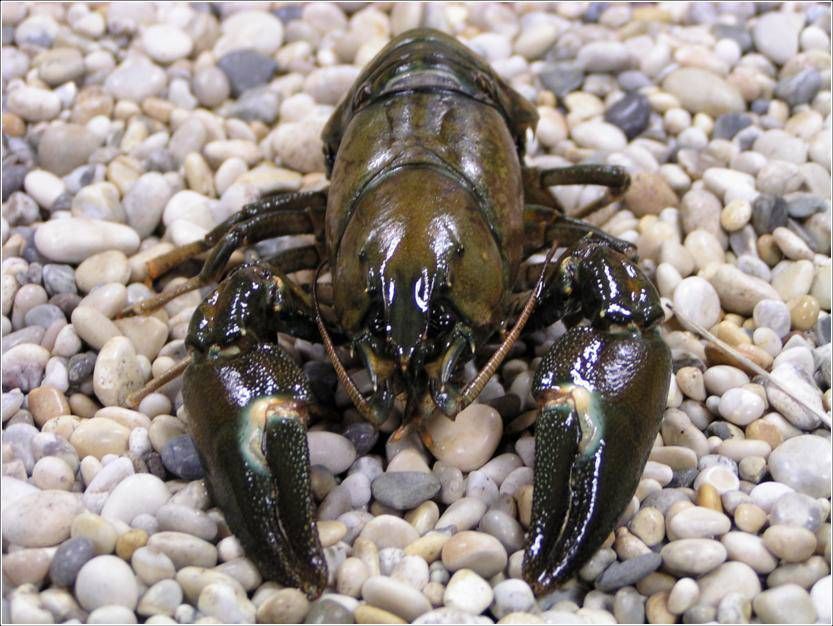
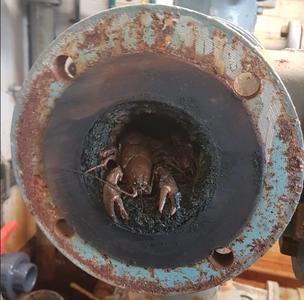
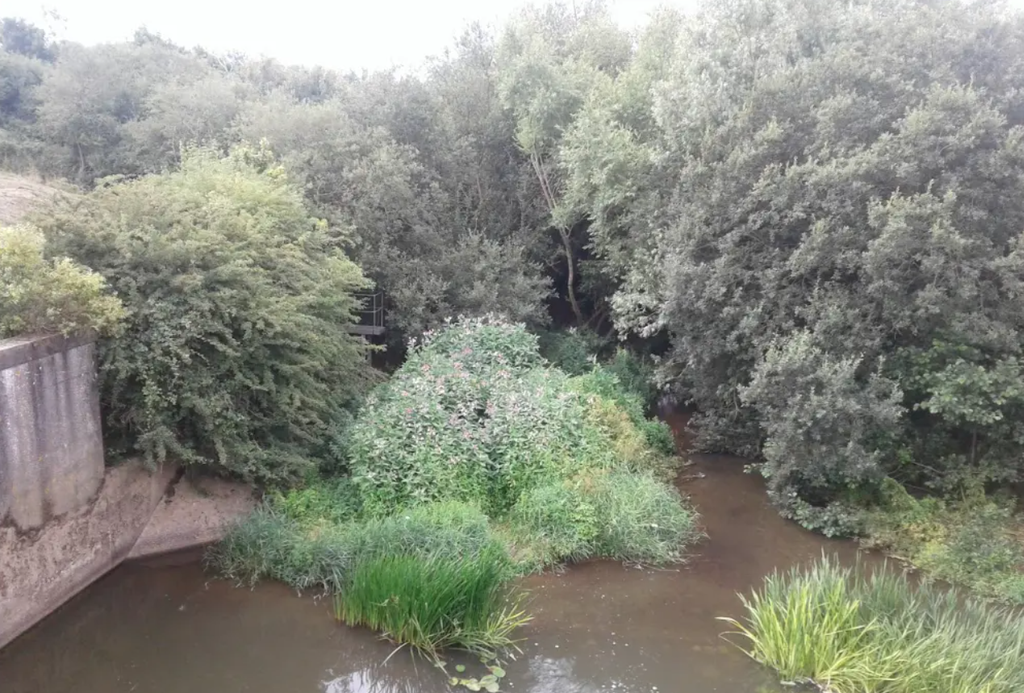
Invasive species like Himalayan balsam and signal crayfish are aggressive competitors that can rapidly outcompete native species, negatively affecting local ecosystems. Species like zebra mussel pose a growing threat to our infrastructure and water quality. They can cause blockages and damage to water supply pipes, leading to extensive and costly repairs.
Some of the invasive species we are actively managing include:
- signal crayfish
- zebra mussels
- Chinese mitten crab
- Himalayan balsam
- Japanese knotweed
- floating pennywort
- New Zealand pygmy weed/Australian swamp stonecrop
Our strategy
Advanced surveillance and monitoring
We are taking comprehensive steps across our operational areas to monitor and control the spread of INNS.
We regularly survey our open water reservoirs and surrounding watercourses. This includes using eDNA surveys to detect new species early, allowing for quick, effective action, alongside traditional in-person surveys. This cutting-edge technology detects trace genetic material such as skin and excrement from aquatic animals in water samples to identify species that are present. We are also collaborating with UK Water Industry Research (UKWIR) on INNS surveillance projects to find the most effective methods of monitoring and controlling them within our operational area.

Biosecurity at our sites
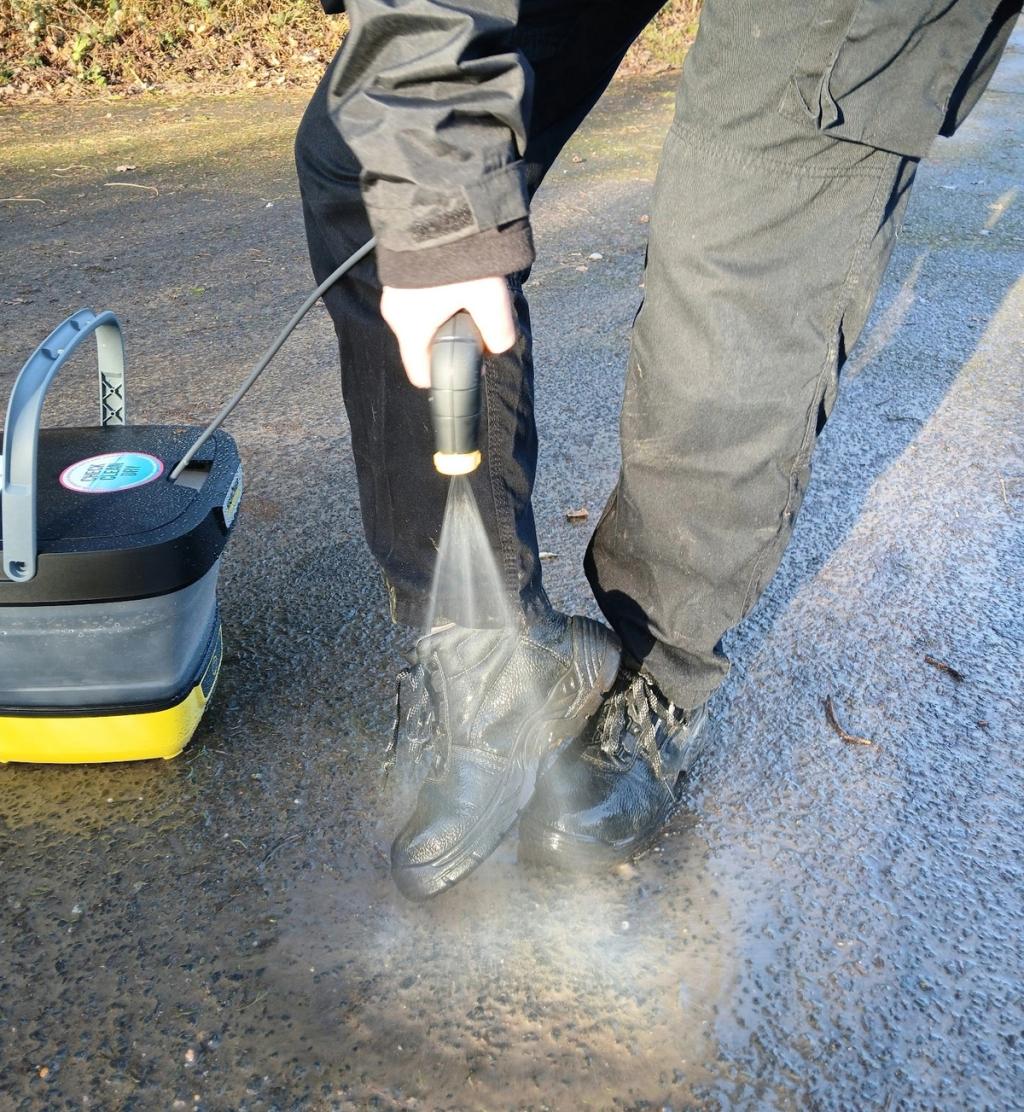
Prevention is better than cure. We have significantly updated our biosecurity protocols and provided all catchment and environment staff with essential biosecurity kits.
- We've introduced washdown facilities for biosecurity at our water treatment works.
- We are actively supporting the national Check, Clean, Dry (CCD) campaign by erecting more signs across our sites to raise public awareness.
- We are currently working towards the prestigious AQUA biosecurity accreditation for our Ardingly reservoir. This accreditation demonstrates the site's commitment to effective biosecurity practices, which are aimed at reducing the impact and spread of Invasive Non-Native Species (INNS).

Research and partnership
We are working with other water companies in the Aquatic Biosecurity Partnership to promote the CCD campaign nationally. Through our involvement with UKWIR, we are supporting a project on Raw Water Transfer (RWT) trials, to develop the most environmentally safe methods for moving raw water sources and minimising the risk of INNS spread.
How we are tackling the spread of zebra mussels
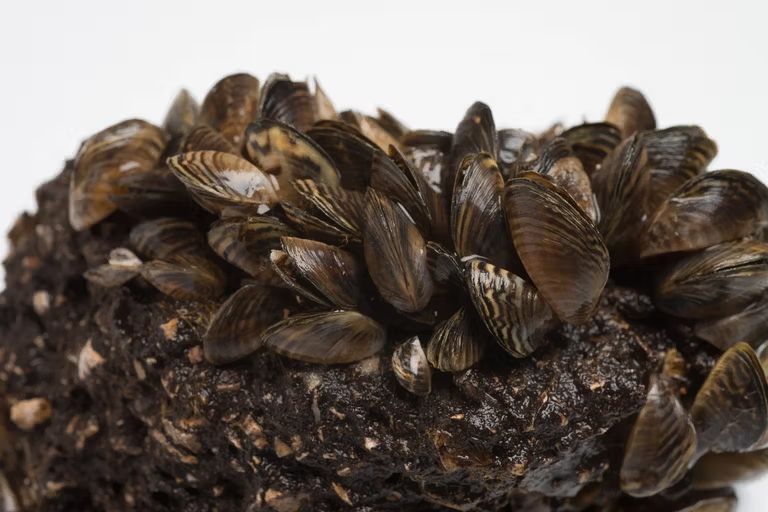
The water industry is one of the sectors most impacted by aquatic invasive species. A good example of the challenges they pose are zebra mussels which form large colonies that can block pipes and other infrastructure. They also outcompete native animals in rivers, which can negatively impact biodiversity.
Zebra mussels are known to be present in Darwell and Bewl reservoirs and at Spray’s Farm Break Pressure Tank. It is also likely they are present within the raw (untreated) water main between these sites. We currently transfer this untreated water from Darwell reservoir to Hazards Green Water Treatment Works to be cleaned and made into wholesome fresh drinking water.

Although the treatment removes all traces of the zebra mussels, there is a risk that an unplanned release from the untreated water main, such as a leak or burst, could transfer zebra mussels to the environment.
Hazards Green, located just north of the Pevensey Levels Special Area of Conservation and Site of Special Scientific Interest, is home to a diverse community of aquatic plants and animals. The release of an invasive non-native species like zebra mussels could have a devastating impact on the area’s wildlife, underscoring the need for stringent preventive measures.
By installing a new pipeline from Bewl Water Treatment Works to our storage reservoirs in Wadhurst and Rotherfield, we can eliminate the need to transfer raw water between Bewl and Darwell, and from Darwell to Hazard’s Green. Upgrades to Bewl Water Treatment Works will allow us to increase the output of treated water from there, reducing the amount required from the Hazards Green Treatment Works.
While this work is being completed we are exploring using a targeted molluscicide which will treat the mussels within our infrastructure, ensuring that we are protecting the Pevensey Levels.
How you can help
We need everyone to help in the fight against invasive non-native species.. If you visit any of our sites or use local water bodies for recreation, you can make a difference:
- Check, Clean, Dry (CCD): Always inspect your clothing, gear, and pets for mud and plant fragments, clean everything thoroughly, and ensure it is fully dry before leaving or moving to a new location.
- The Be Plant Wise: This is a national initiative that encourages gardeners and pond owners to protect the environment by choosing non-invasive plants, preventing their escape into the wild, and disposing of garden waste responsibly.
- Report Sightings: Use the INNS Mapper(opens in a new tab) to report any invasive species you come across.
- Learn More: Visit the Non-Native Species Secretariat website(opens in a new tab) for more information on the species of concern and how to prevent their spread.
- If you have any questions or concerns regarding INNS please contact:
Sam.pottier@southeastwater.co.uk(opens in a new tab)
Anna.james@southeastwater.co.uk(opens in a new tab)